Pay Online
 Financing
 Our Guarantee

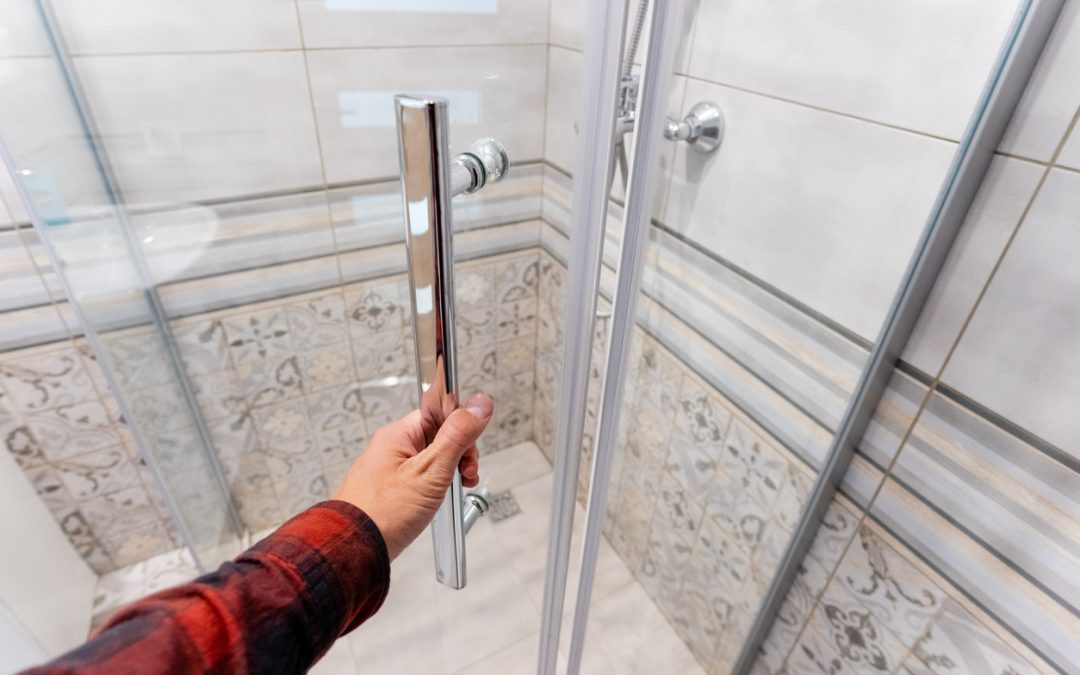
Glass shower doors add sleek sophistication to any bathroom. But when water escapes and puddles outside the enclosure, it can become more than just a cosmetic issue. Leaks can lead to water damage, slippery floors, and a lot of unnecessary frustration. If you’re wondering why your glass shower enclosure and/or door is leaking and how to fix it, you’re in the right place. At Alderfer Glass, your local experts for glass shower doors in Malvern, PA, and the nearby areas. Let’s explore the most common causes and the smartest solutions.
Misaligned or Poorly Installed Doors
A major reason for leaking glass shower doors is misalignment. When a door doesn’t sit flush against the frame or wall, even a small gap can let water through. Over time, everyday use can loosen hinges and cause the door to shift slightly. Even a high-quality door may start to leak if it becomes misaligned.
In some cases, the problem starts at installation. The problem may not be the glass or doors themselves but the underlying tile and surround. If the door was mounted incorrectly and not level, or without proper slope planning on the threshold or walls, leaks are more likely. This is especially common in DIY projects or rushed remodels.
How to Fix It:
Look for gaps or uneven spacing when the door is closed. If you see poor alignment through the sides or bottom, it probably needs to be adjusted. Tightening the hinges or reinstalling the door with professional precision can make all the difference. If you’re not confident making those adjustments yourself, it’s a good idea to bring in a professional.
Worn or Missing Seals and Sweeps
Glass shower doors depend on rubber or vinyl seals and bottom sweeps to keep water inside as part of their design. These parts line the edges of the door and act as barriers. Over time, they can wear out, crack, become stiff, or even fall off entirely. Once that happens, water starts slipping through the cracks and onto your floor. Some frameless showers are designed without visible seals for a minimalist look, but that sleek style sometimes sacrifices function.
How to Fix It:
Examine the edges of the door for brittle, curled, or missing seals. Replacing these parts is often a quick fix that stops leaks fast. Bottom sweeps are easy to install and make a big difference in containing water. Choose seals made for your specific shower door model for the best results.
Shower Curb Sloped the Wrong Way
The shower curb — the threshold at the base of your enclosure — is supposed to be slightly tilted inward to direct water back into the drain. When it’s flat or tilted outward, water naturally follows the slope and spills out onto the bathroom floor. This problem is especially common with walk-in showers or when the curb was installed incorrectly during construction. Another related issue is caulking and grout deterioration, especially around the bottom of the enclosure or pan.
How to Fix It:
Measure and level the slope of your curb. If it seems flat or angled away from the shower, you may need to look to a professional fix. This fix often involves retiling or applying a new mortar layer. While it’s a bigger job than replacing a seal, it solves a foundational issue and helps ensure a lasting, leak-free shower.
Water Spray Aiming at the Door
Not every leak is caused by hardware. Sometimes, it’s just a matter of where your water is going and the force. Reminder – your enclosure is not an aquarium! If your showerhead or body jets point(s) directly at the door, the water pressure may force spray through even the tiniest openings. This is especially true with rain-style or high-pressure showerheads that produce wide, intense streams. Combined with having a frameless door with minimal seals or overlap, there’s even more risk of water escaping. This is common in a European environment, but there are ways to dial the seals for the US market.
How to Fix It:
Adjust the angle of your showerhead so water flows toward the wall or center of the enclosure. If the head can’t be repositioned, consider switching to a style with more directional control. For larger openings or walk-in designs, a splash guard panel, adding a door, or adding seals can help keep water inside.
Excessive Gaps in Frameless Shower Designs
Frameless shower doors are visually stunning, offering a clean, open look. But they don’t include the same built-in channels or tracks that framed models use to contain water. While most are engineered with tight tolerances, those gaps can grow over time due to house settling or natural movement. Even a small shift in your wall or door position can lead to a noticeable gap.
How to Fix It:
Measure the spacing between glass panels or between the door and wall. If gaps have widened, adding transparent seals or gaskets can help close them off without compromising aesthetics. In cases where doors have shifted, hinge adjustment or realignment may solve the issue. If needed, a professional can reconfigure the panel layout or provide custom sealing options.
Let Alderfer Glass Help You Seal the Deal
Shower door leaks are a common problem, but that doesn’t mean you have to live with them. Whether it’s a worn-out seal, poor slope, or an installation that needs correcting, there’s always a practical fix. Identifying the source is the first step — solving it is where we come in.
At Alderfer Glass, we bring decades of experience in custom enclosures, leak repairs, and precise installations for shower doors in Malvern, PA. Let us help you turn your bathroom back into a space you love — dry floor included. Contact our team today to schedule a consultation or get started on a shower upgrade that stays sealed, stylish, and stress-free.